
Why the Muralism Movement Still Matters
When you walk through Mexico City, art seems to spill out from every corner — on walls, ceilings, staircases. But these are not just pretty murals; they are stories painted on stone.
The Mexican Muralism Movement, born after the Revolution in the 1920s, wasn’t only about aesthetics. It was about educating, uniting, and empowering a nation trying to find itself again.
Artists like Diego Rivera, José Clemente Orozco, and David Alfaro Siqueiros turned public buildings into classrooms of history. Their art spoke of the struggles of workers, the dignity of indigenous people, and the dream of a fairer Mexico.
It may sound distant, but their vision still shapes how Mexicans — and visitors — see this country today.
Art as a Social Contract
The muralists believed that art should belong to everyone, not just galleries or the elite. So, they painted where people could see it — schools, hospitals, government buildings.
In a way, muralism became Mexico’s social media of the 1920s. Murals weren’t silent; they provoked, questioned, inspired. They told stories that textbooks didn’t.
For example, at the Secretariat of Public Education, Rivera’s frescoes celebrate teachers, farmers, and laborers. In Palacio de Bellas Artes, Siqueiros’ dynamic figures break the wall with movement and fire. And Orozco’s haunting mural in San Ildefonso College questions the very idea of progress itself.
These walls are not relics — they’re living witnesses of a country in constant reinvention.
The Muralism Tour Experience
That’s what the “Muralism Alive in Mexico” tour by Nandii is all about — seeing these murals not as museum pieces, but as part of Mexico’s pulse.
The tour begins in the heart of Mexico City’s historic center, exploring iconic buildings like:
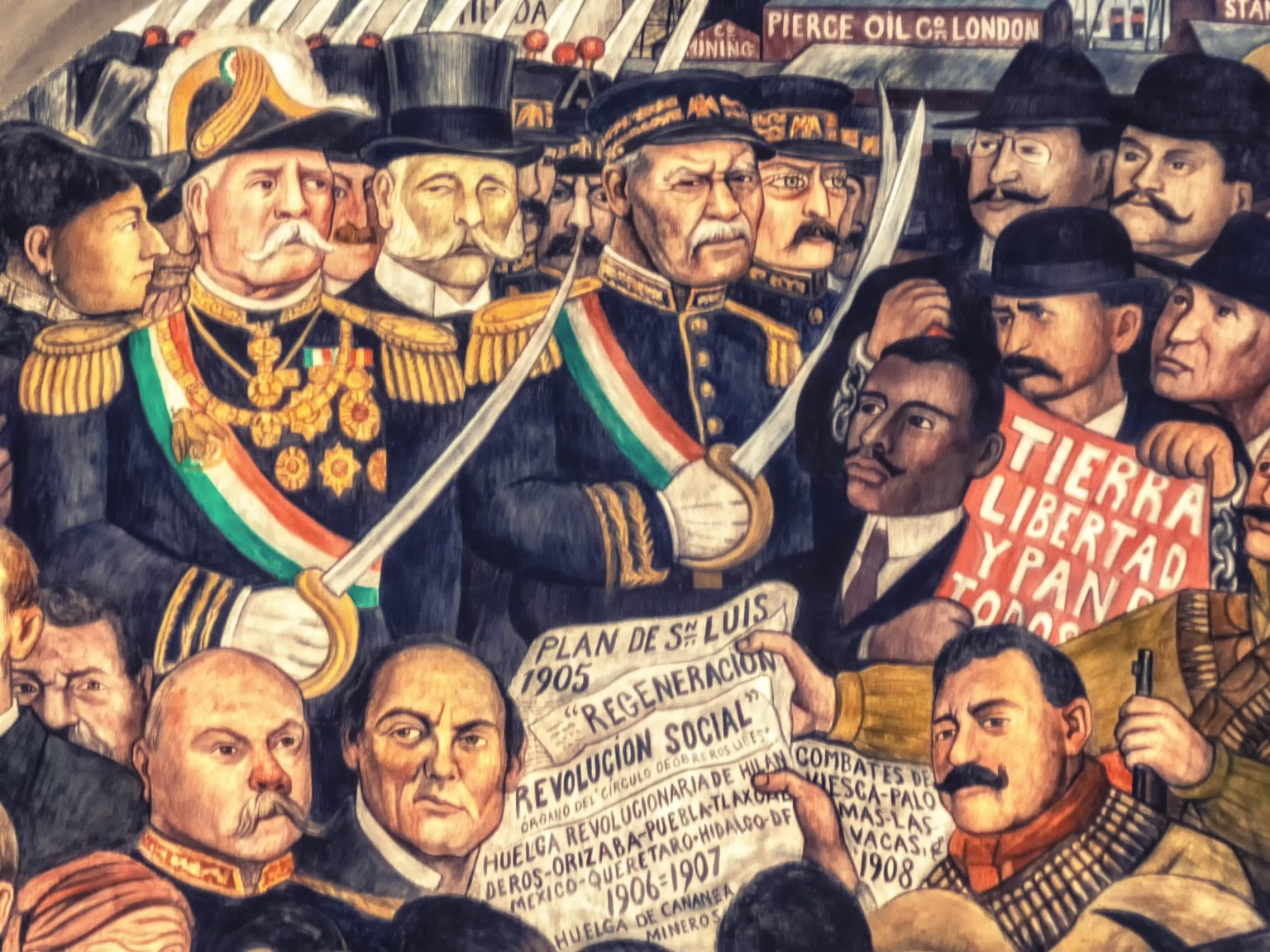
- Palacio Nacional, where Rivera’s “The Epic of the Mexican People” wraps visitors in a whirlwind of history.
- Antiguo Colegio de San Ildefonso, the birthplace of Mexican muralism and home to Rivera’s first fresco.
- Palacio de Bellas Artes, where Orozco and Siqueiros’ bold visions confront the idea of power and technology.
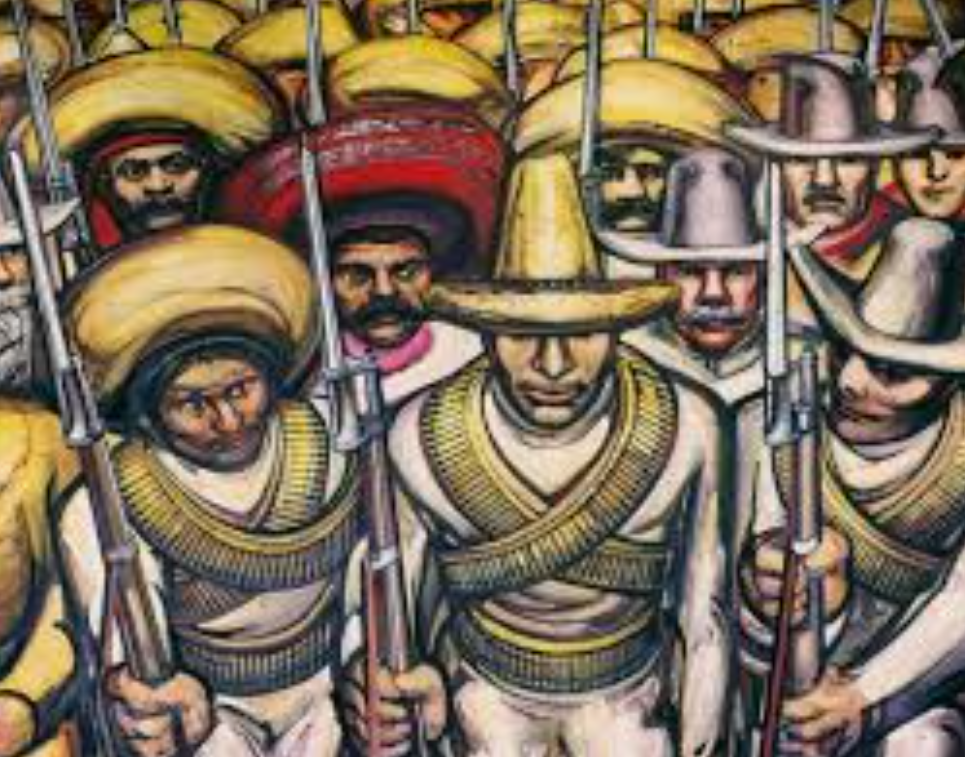
Along the way, a local art historian helps decode the symbolism, contradictions, and revolutionary energy hidden in every brushstroke. You’ll not only see murals — you’ll feel the rhythm of a nation that paints its conscience on its walls.
Muralism’s Legacy Today
Modern Mexican artists continue this tradition — using street art, graffiti, and community projects to express identity and resistance.
Neighborhoods like La Roma, Doctores, and Coyoacán have become open-air galleries where muralism meets urban culture.
These works remind us that art isn’t static; it’s a conversation between past and present.
And Mexico — always loud, colorful, and complex — is still speaking through its walls.
Join the Movement
The Muralism Alive in Mexico tour isn’t just about visiting; it’s about understanding the soul of a country through art that was never meant to be silent.
If you believe that travel can teach, connect, and inspire change — this experience is for you.
Book your experience with Nandii and discover the murals that changed Mexico, one wall at a time.
#MexicoCity #Muralism #Nandii #ArtandCulture #SustainableTravel #CulturalTourism #AuthenticMexico